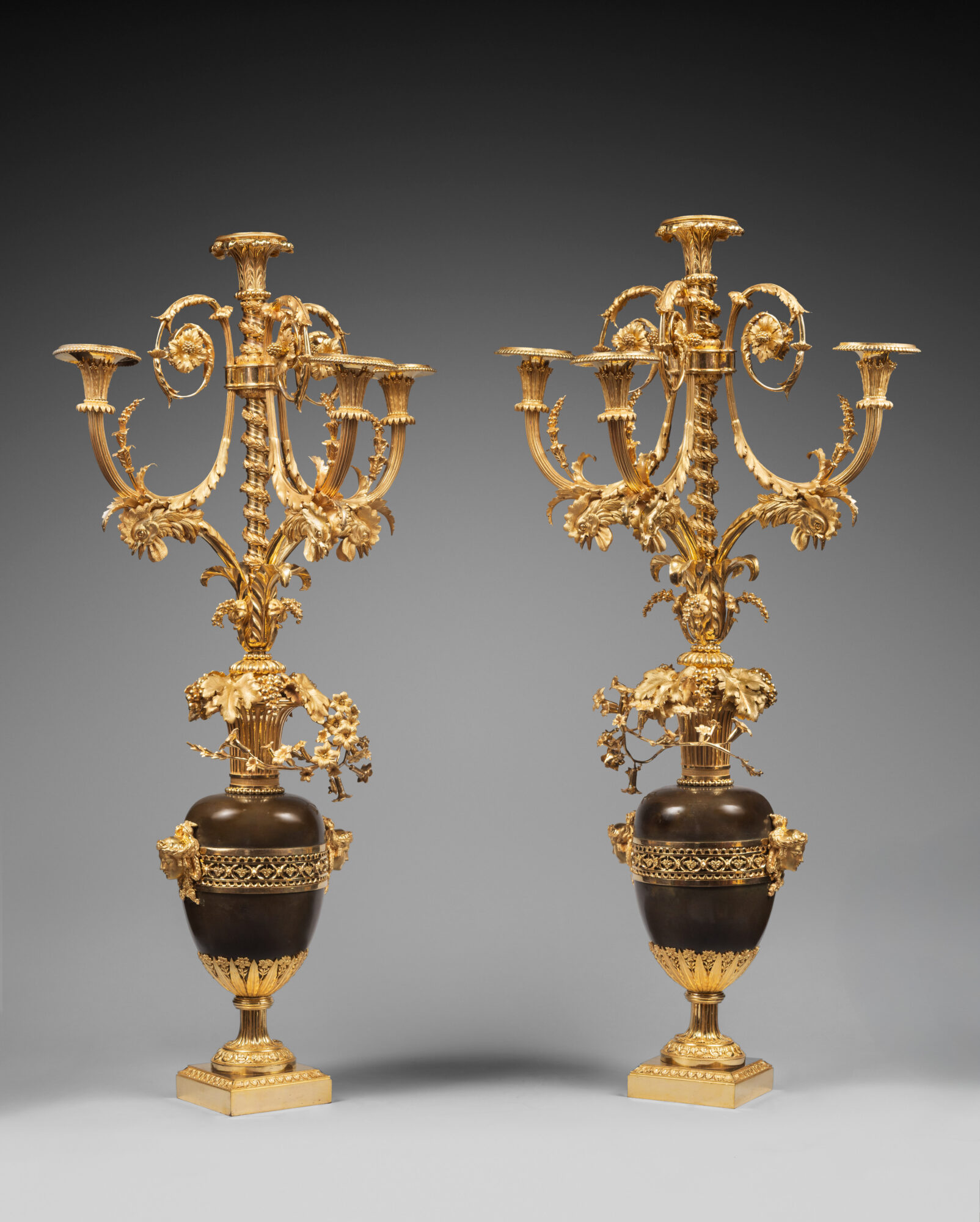
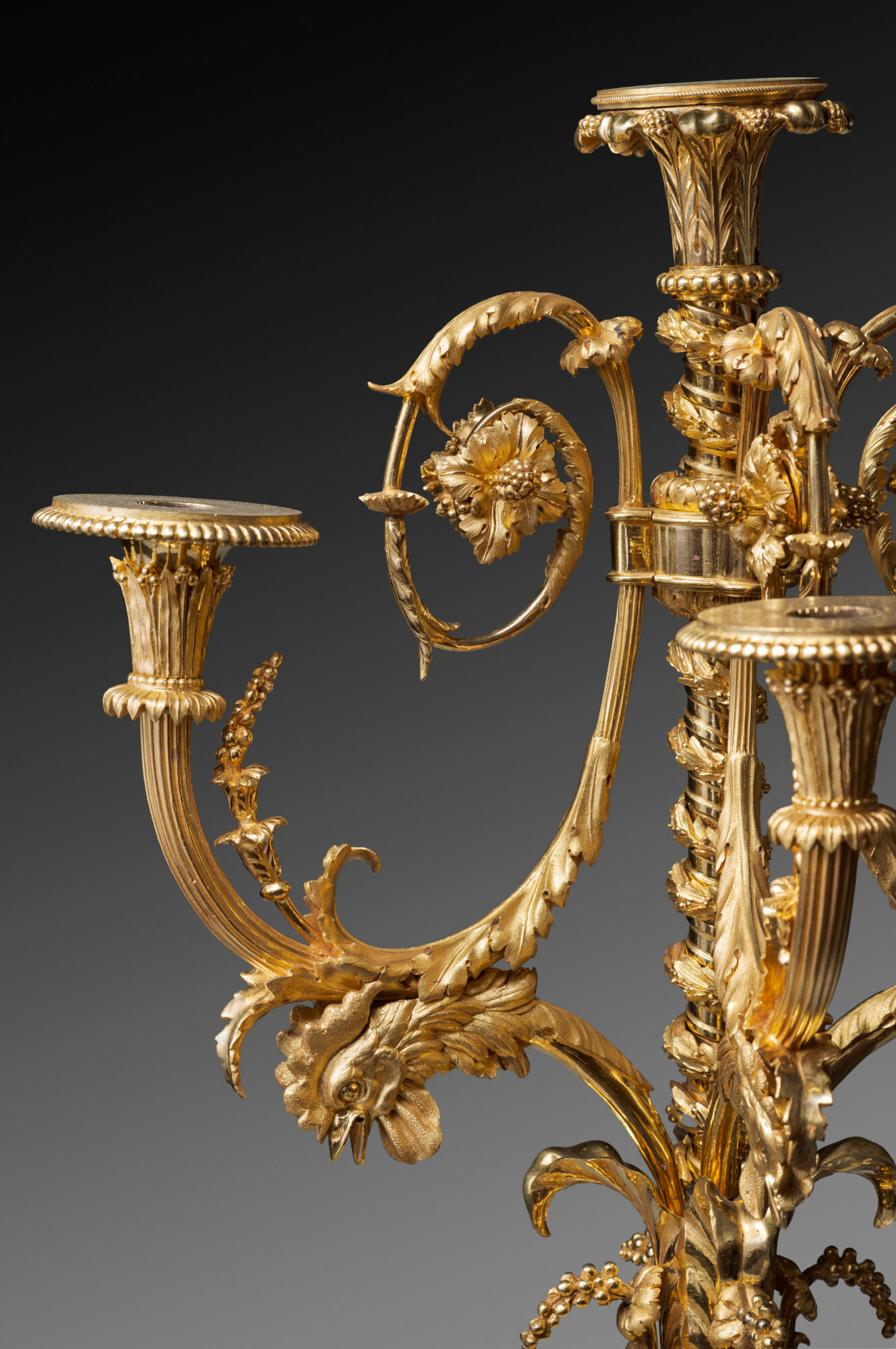
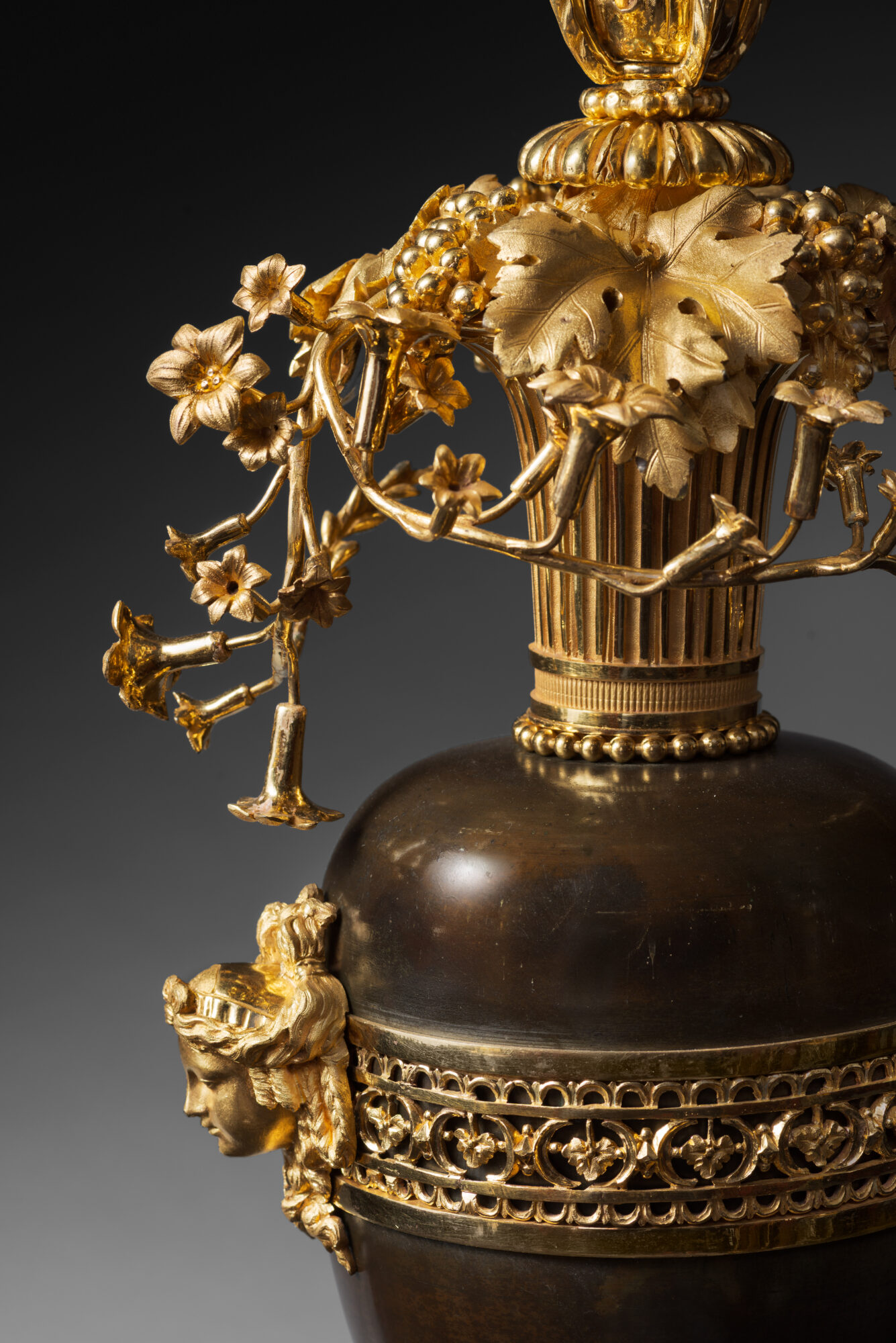
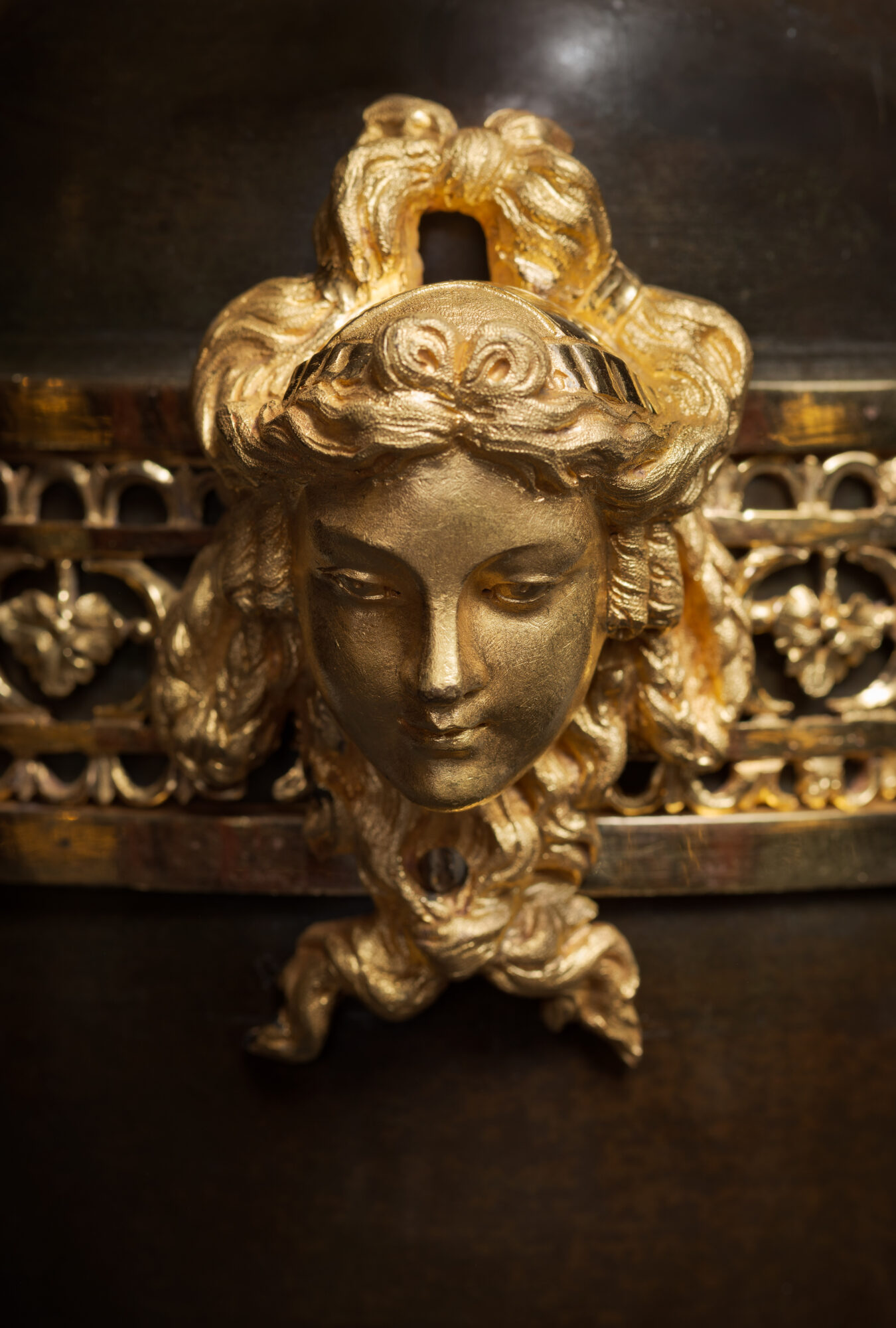
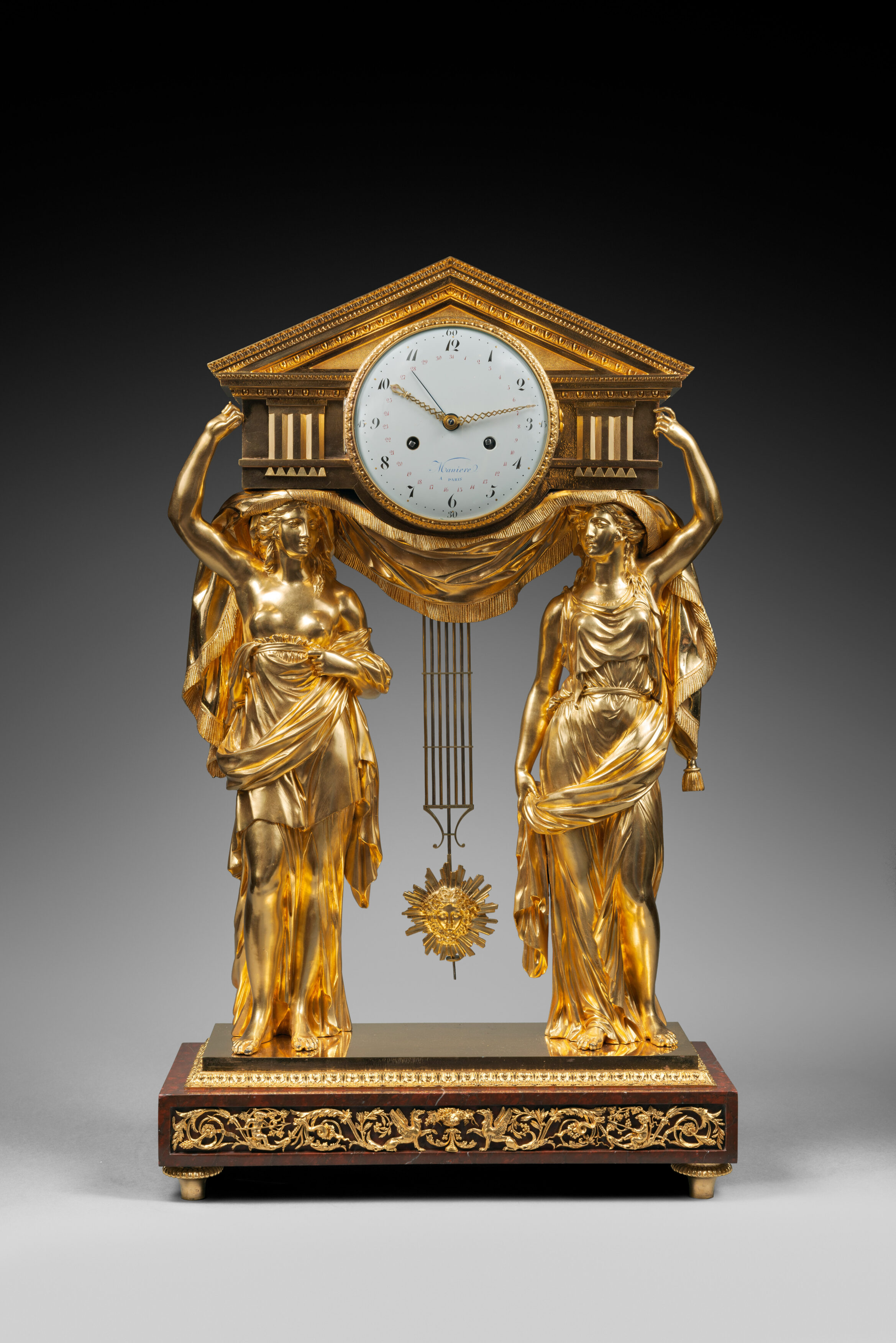
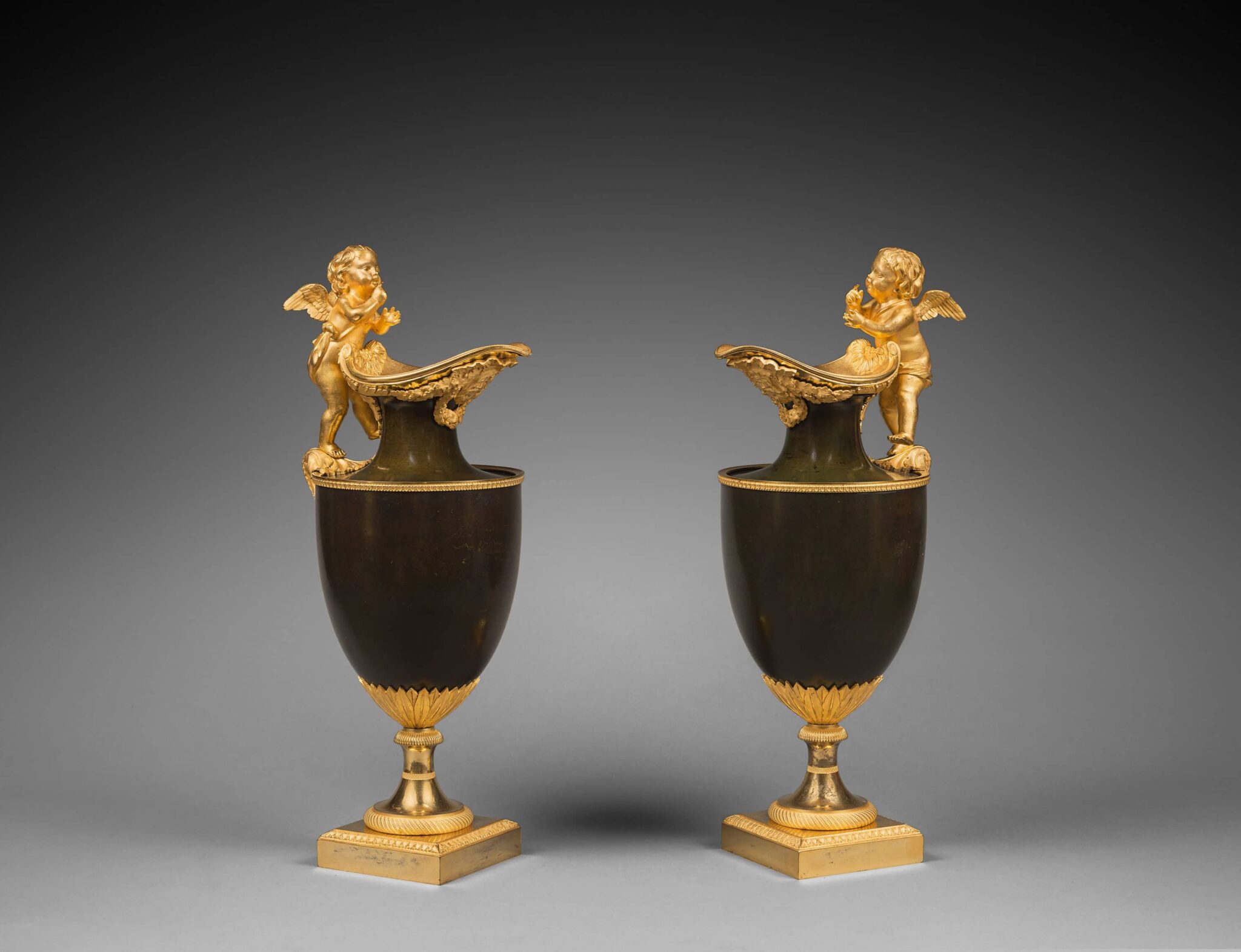
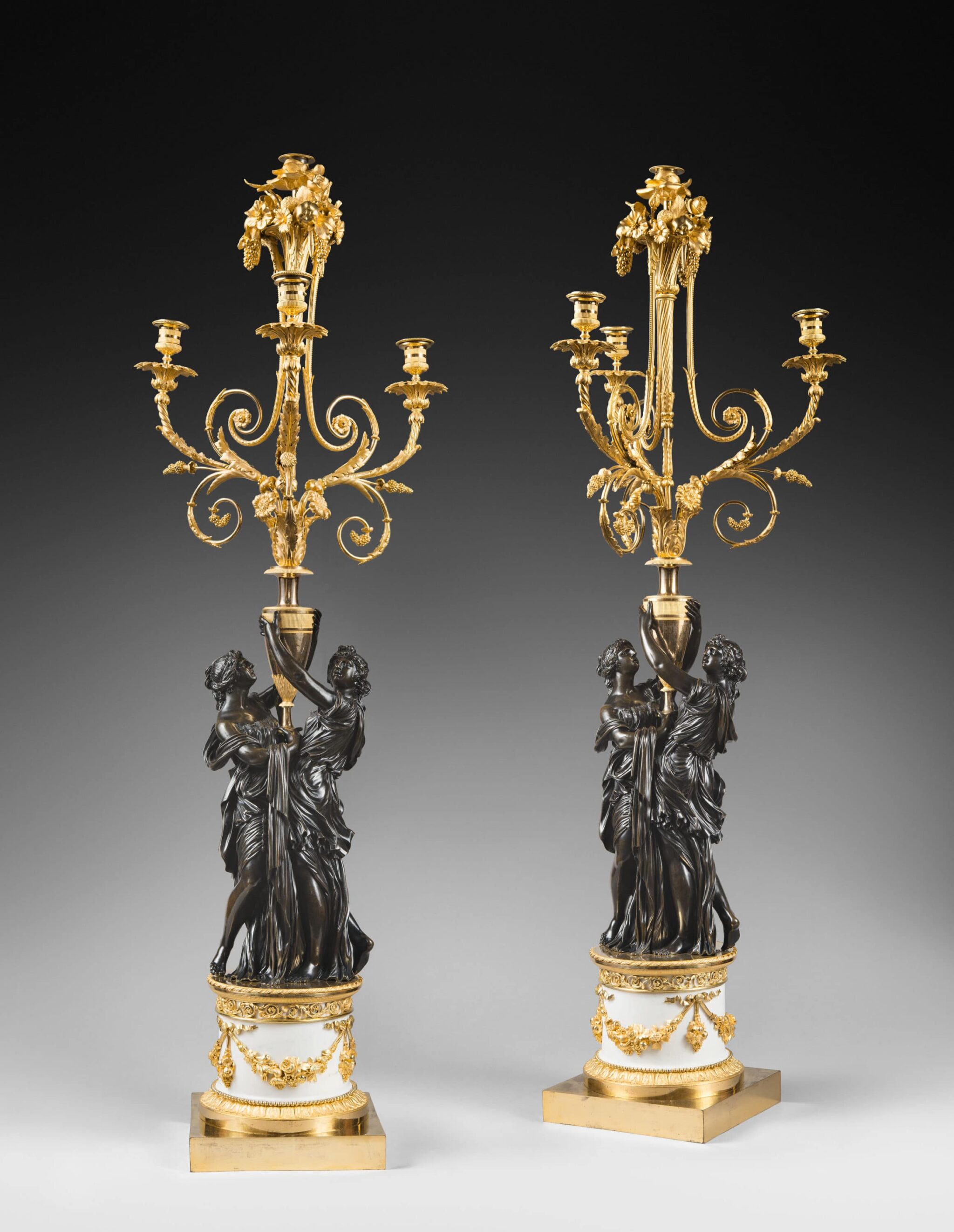
François Rémond (circa 1747 - 1812)
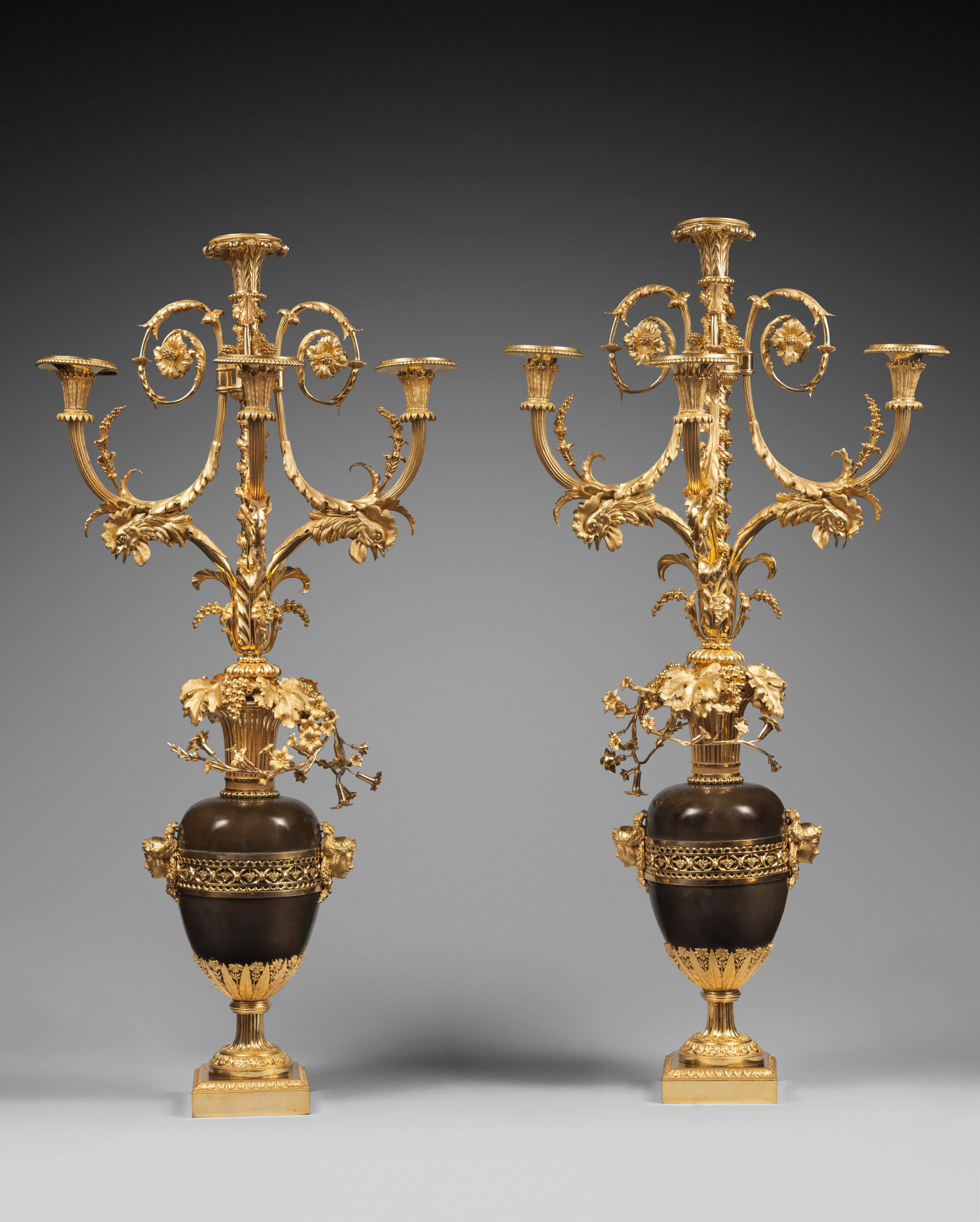
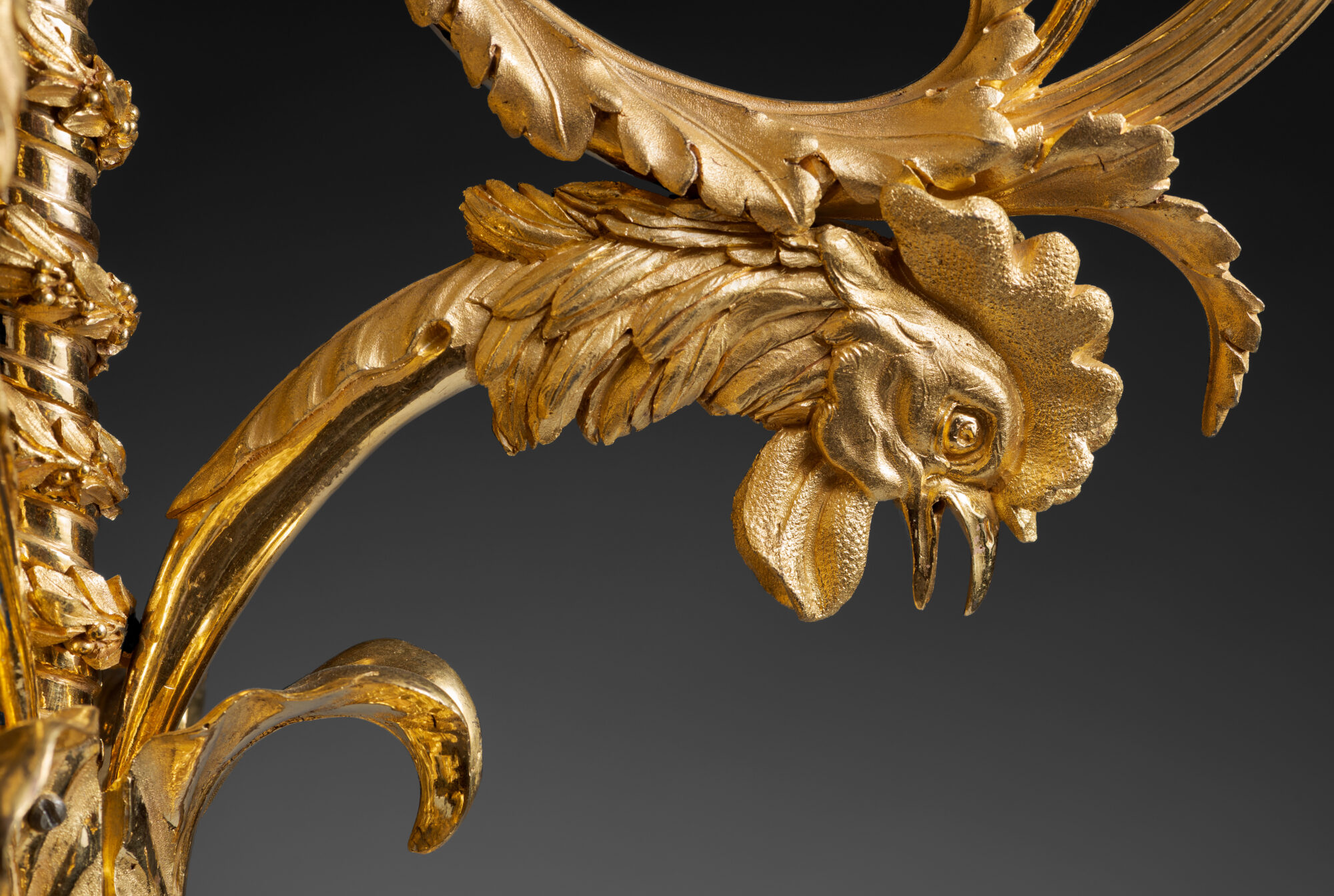
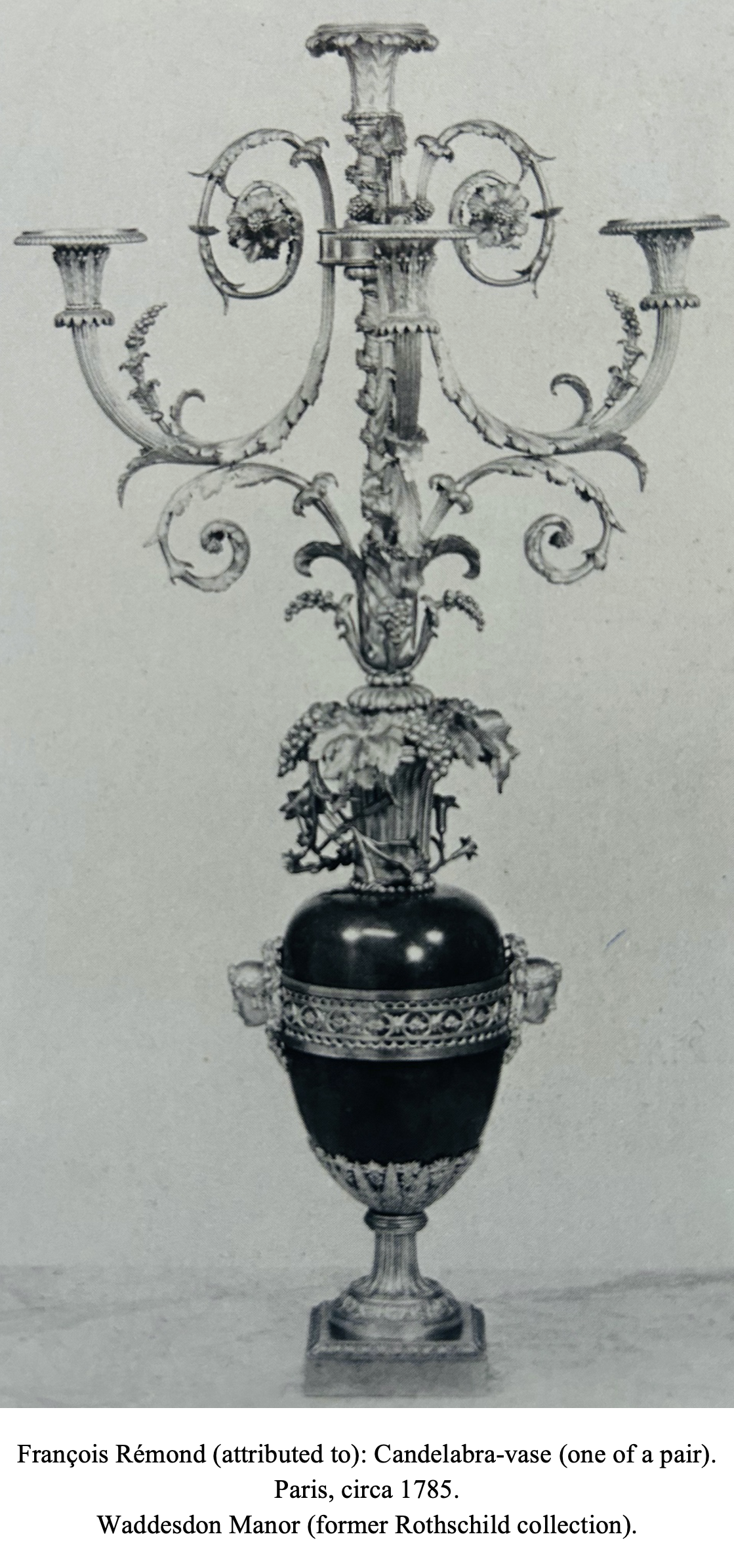
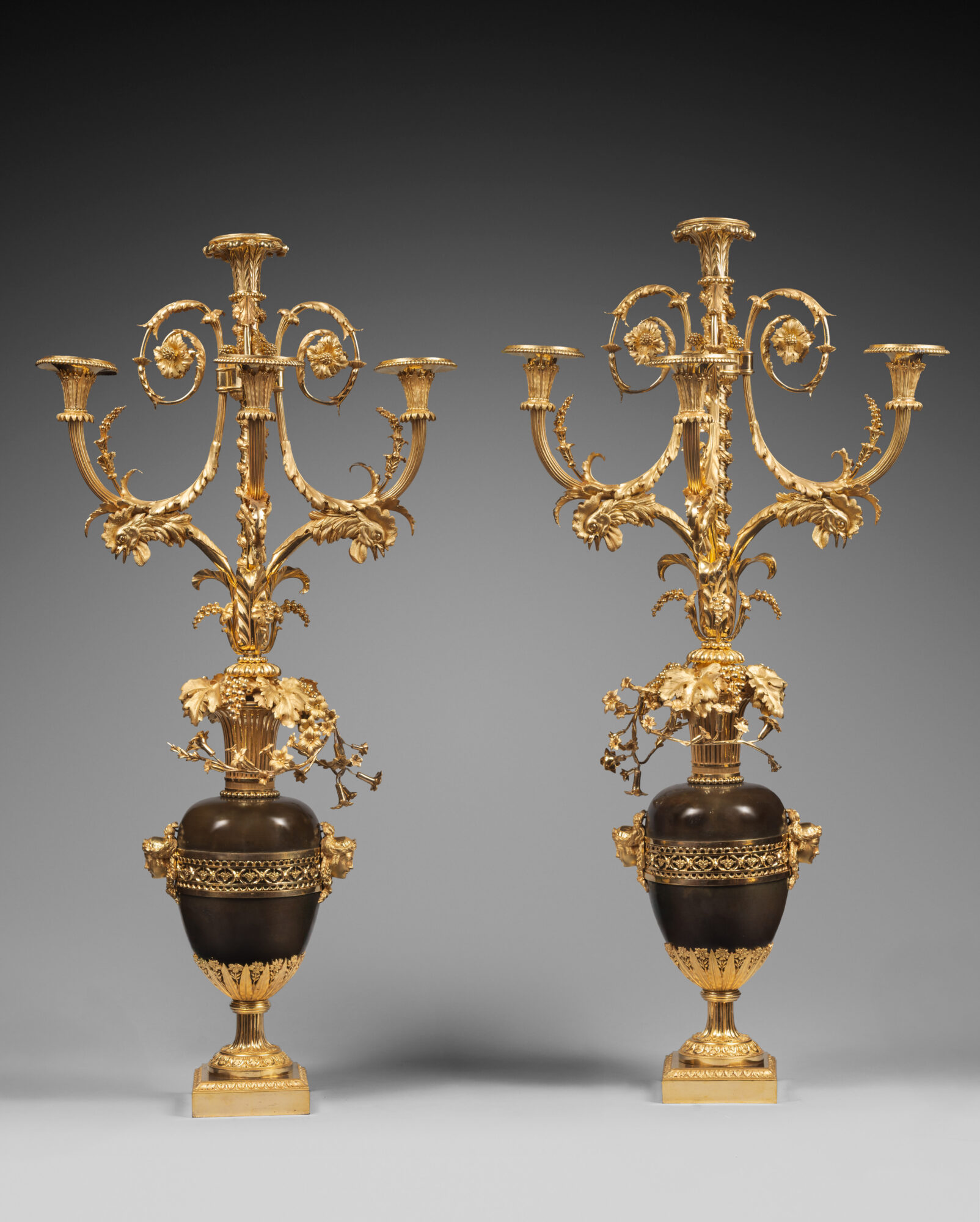
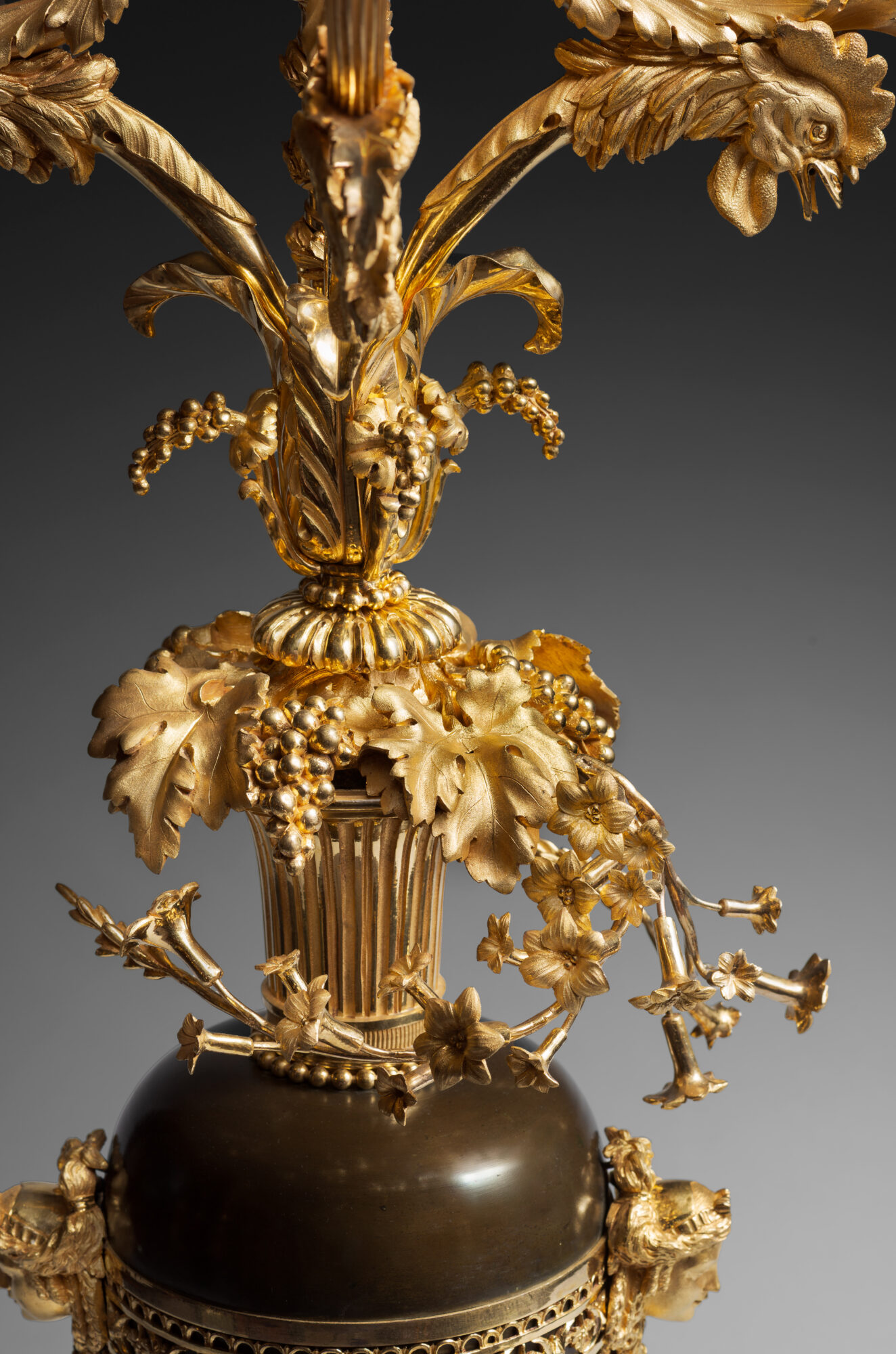
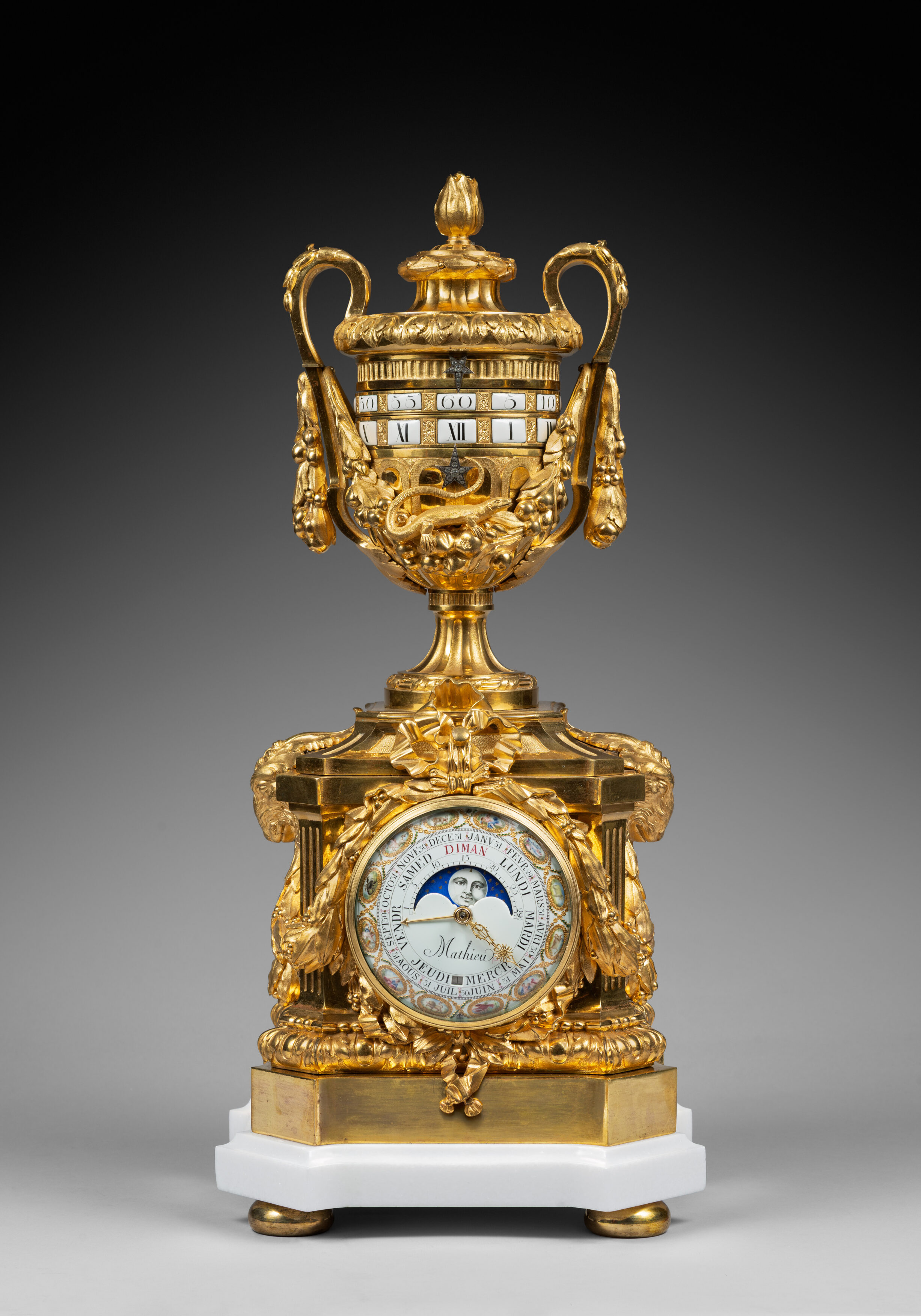
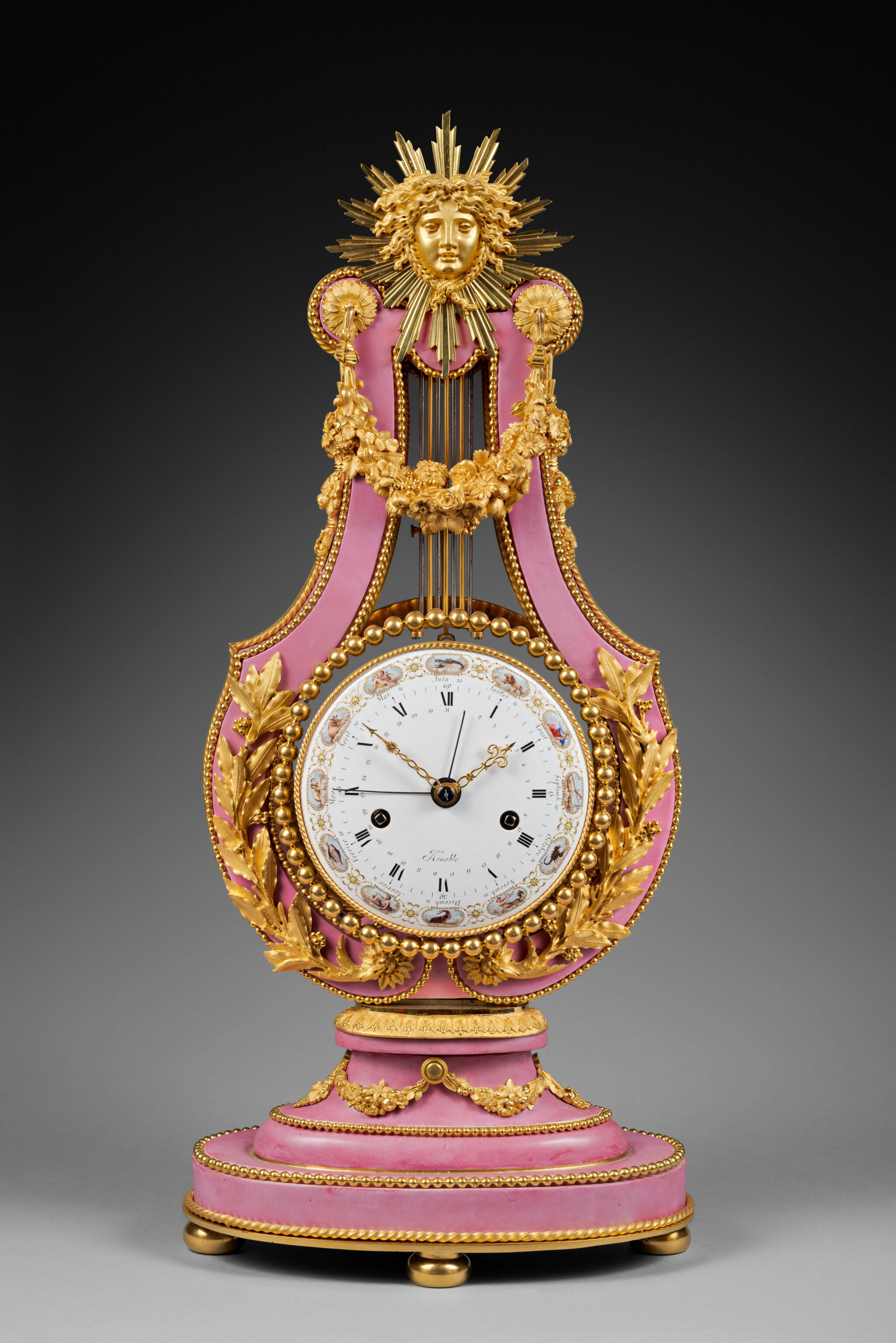
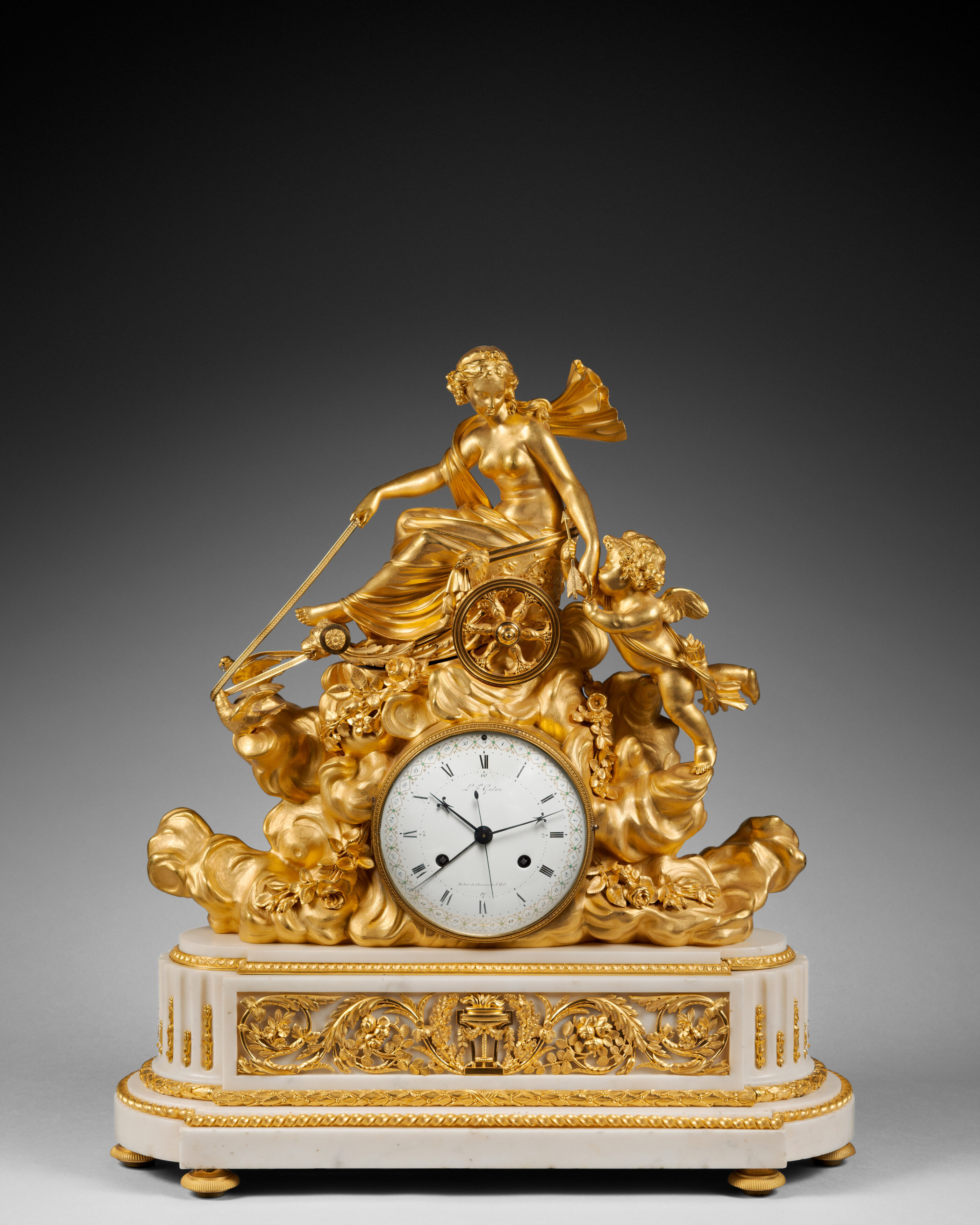
François Rémond was, along with Pierre Gouthière, one of the most important Parisian chaser-gilders of the last third of the 18th century. He began his apprenticeship in 1763 and became a master chaser-gilder in 1774. His great talent quickly won him a wealthy clientele, including certain members of the Court. Through the marchand-mercier Dominique Daguerre, François Rémond was involved in furnishing the homes of most of the important collectors of the late 18th century, supplying them with exceptional clock cases, firedogs, and candelabra. These elegant and innovative pieces greatly contributed to his fame.
Dominique Daguerre
Dominique Daguerre is the most important marchand-mercier (i.e. merchant of luxury objects) of the last quarter of the 18th century. Little is known about the early years of his career; he appears to have begun to exercise his profession around 1772, the year he went into partnership with Philippe-Simon Poirier (1720-1785), the famous marchand-mercier who began using porcelain plaques from the Manufacture royale de Sèvres to adorn pieces of furniture. When Poirier retired around 1777-1778, Daguerre took over the shop in the rue du Faubourg Saint-Honoré, keeping the name “La Couronne d’Or”. He retained his predecessor’s clientele, and significantly increased the shop’s activity within just a few years. He played an important role in the renewal of the Parisian decorative arts, working with the finest cabinetmakers of the day, including Adam Weisweiler, Martin Carlin and Claude-Charles Saunier, cabinetmaker of the Garde-Meuble de la Couronne, Georges Jacob, the bronziers and chaser-gilders Pierre-Philippe Thomire and François Rémond, and the clockmaker Renacle-Nicolas Sotiau. A visionary merchant who brought the level of French luxury goods to its highest point, Daguerre settled in England in the early 1780’s, having gone into partnership with Martin-Eloi Lignereux, who remained in charge of the Paris shop. In London, where he enjoyed the patronage of the Prince Regent (the future King George IV), Daguerre actively participated in the furnishing and decoration of Carlton House and the Brighton Pavilion. Taking advantage of his extensive network of Parisian artisans, he imported most of the furniture, chairs, mantelpieces, bronze furnishings, and art objects from France, billing over 14500£, just for 1787. Impressed by Daguerre’s talent, several British aristocrats, called on his services as well. Count Spencer engaged him for the decoration of Althorp, where Daguerre worked alongside architect Henry Holland (1745-1806). In Paris, Daguerre and his partner Lignereux continued to supply influential connoisseurs and to deliver magnificent pieces of furniture to the Garde-Meuble de la Couronne, which were placed in the apartments of Louis XVI and Marie-Antoinette. Daguerre retired in 1793, no doubt deeply affected by the French Revolution and the loss of many of his most important clients.